What the 2021 NFT boom teaches us about today’s AI Hype
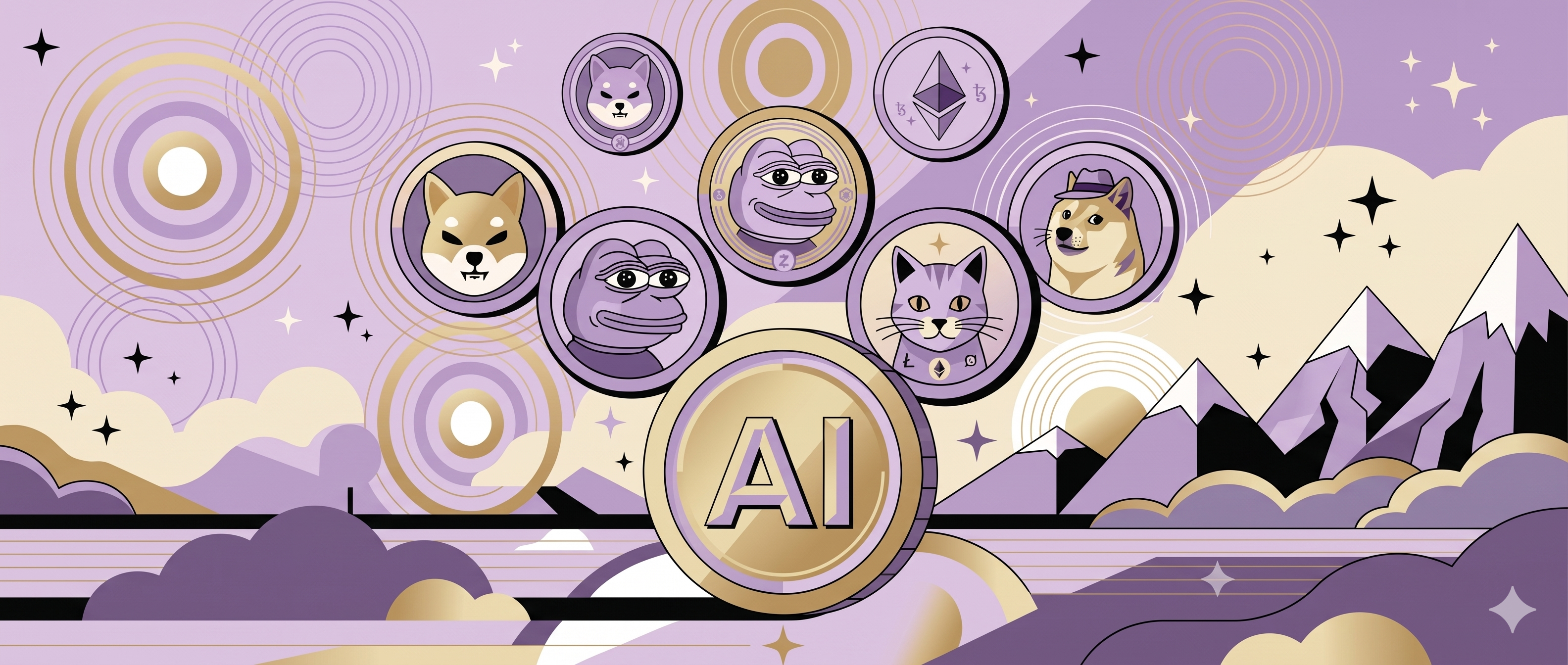
I am not a pessimist when it comes to technology, but neither am I a true digital native. I grew up in a different era, and that has shaped the way I respond to each new wave of innovation. In that sense, I count myself lucky: I have seen enough to be sceptical, but not so much that I have lost my curiosity.
I am old enough to have learned how to think before I had tools that could think alongside me. Yet I am also young enough that technology has always felt like a natural part of daily life — practical, familiar, and always within reach.
Maybe that is why I keep finding myself in the same place lately: watching the AI debate unfold and feeling a strong sense of déjà vu.
Everywhere I look, AI is being framed in extremes. It is either the breakthrough that will transform everything or the force that will unravel everything. Every article promises a revolution. Every podcast warns of an apocalypse. And the more I listen, the more I find myself thinking back to 2021 — and to the NFT boom.
From Moonbirds to CryptoZoo
By 2021, the pandemic had changed more than our routines. It had changed our relationship with the digital world. After years of lockdowns, uncertainty, economic anxiety, and isolation, people were ready for something new. Or maybe more accurately, they were ready to believe in something new.
NFTs were not new. Neither were smart contracts, cryptocurrencies, or the blockchain infrastructure behind them. The technology had been around for years. The building blocks were already there: crypto wealth had grown, platforms had matured, and the infrastructure was ready.
What changed was the story.
Suddenly, ideas that had once seemed niche or abstract were being projected onto by millions of people. Digital ownership became a cultural symbol. NFTs became more than a technology — they became a narrative about status, belonging, creativity, and opportunity.
Then came the familiar ingredients: hype, celebrity attention, easy speculation, and fear of missing out. For many people, this was not just about technology. It was about hope. About catching the next wave. About getting in early and maybe, finally, getting lucky.
Prices rose fast. Some collections sold for extraordinary sums. For a while, it felt as if attention itself had become a form of value. And then the mood shifted.
By 2022, trading volumes had dropped, prices had collapsed, and liquidity had dried up. Many buyers discovered that what looked valuable in a rising market could become nearly impossible to sell in a falling one. A few projects survived. Most did not.
The technology did not disappear. But the speculative mania did.
I should admit something slightly embarrassing here: as someone who never really cared for NFTs or crypto and never fully understood the excitement around them, I allowed myself a brief moment of smug satisfaction. I told you so, I thought. In retrospect, not my finest moment.
But looking back, the real lesson was not that the technology was meaningless or that every new digital frontier is nonsense. It was something simpler: technology and speculation are not the same thing.
There may well be valid uses for blockchain-based assets. But the existence of real technology does not justify every token, every collection, or every grand promise built on top of it.
This is where AI comes in.
To be clear, AI is not the same as NFTs. The technologies are different, and AI is already proving useful in ways that are tangible and hard to dismiss. But even so, something in the atmosphere feels familiar.
I was recently watching the stock market go wild after SpaceX went public on 16 June 2026, and it brought me right back to that earlier frenzy — the same mix of excitement, speculation, and the timeless desire to get rich on the back of a technology. It made me wonder: is this the new bubble?
Not because AI is fake, just as blockchain was never fake. But because real technology and speculative mania are not the same thing. But the parallel still matters.
In 2021, NFTs became a vessel for projection: hope, greed, status, fear of missing out, and the fantasy of easy upside. Today, AI risks becoming something similar. Not just a tool, but a story onto which we project our ambitions, anxieties, and hunger for transformation.
Once again, the conversation is full of certainty. AI is framed either as salvation or catastrophe. It will either solve everything or destroy everything. And as before, the middle ground — the place where real thinking happens — risks being drowned out by noise.
The lesson from 2021 is not that new technology should be dismissed. It is that hype has a way of attaching itself to real innovation and inflating it into something almost mythological.
A technology can be meaningful and still become the centre of irrational behaviour.
The point is not to reject AI, but to meet it with clearer eyes. Real innovation deserves curiosity. Hype deserves scepticism. And knowing the difference may matter more than ever.
That was today’s release from the Soft(ware) Side. Until next time, your friendly human.